

Find out about Black computer scientists from the past and present. We have some posters you can download for the classroom or corridors and more information about the people below (See also our fuller sets of Diversity in Computing Posters). You can choose from a vibrant colourway or a muted palette and download PDFs and digital displays (posters created by Jane Waite) and primary cartoon-style posters (created by Richard Butterworth). Most of the articles are by Paul Curzon.
• POSTER (blue text) next to someone’s name means we have a vibrant poster of them
• POSTER (brown text) next to someone’s name means we have a muted colour one for them.
• POSTER (magenta text) next to someone’s name means we have a cartoon poster of them, for primary kids
• ARTICLE means there’s an article about or mentioning them.
• ‘Find out more‘ gives some more information and suggest related classroom activities.
Primary: Computer Science Hero Posters
Download the primary computing posters here, along with a slide show presentation.

Abdigani (Abdi) Diriye: Somalia tech startups (POSTER) (POSTER)

Setting up tech start-up accelerator boot camps, coding camps, mentoring programmes and tech funding opportunities in Somali and Somaliland Abdi brings his expertise in computing to help local technology infrastructure grow and work towards solving the challenges facing Africa. Find out more.
Anne-Marie Imafidon: STEMettes (POSTER) (POSTER)
Anne-Marie Imafidon, aged only 11 was the youngest girl to pass an A level in Computing and was only 20 when she passed a Master’s degree in Maths & Computer Science. With such a passion for STEM she co-founded STEMettes a programme to inspire young women in Science, Technology, Engineering and Maths! Find out more.

Annie Easley: Rocket maths (POSTER) (POSTER)
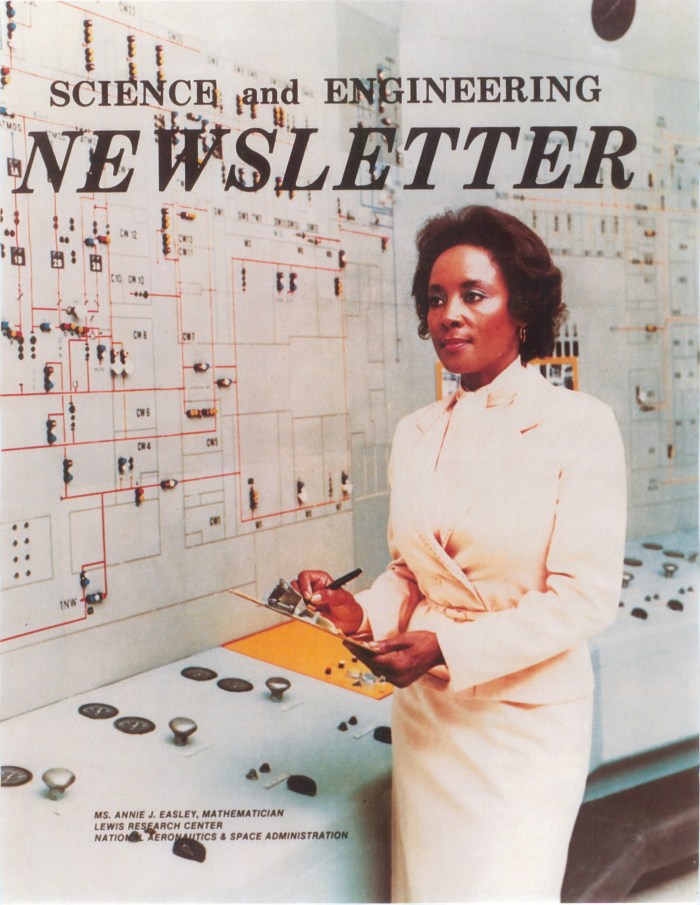
Annie’s code was used to fly rockets and laid the foundations for space shuttle launches. Her focus was on solving energy problems, including wind and solar projects. Find out more.
Clarence “Skip” Ellis (POSTER) (ARTICLE)
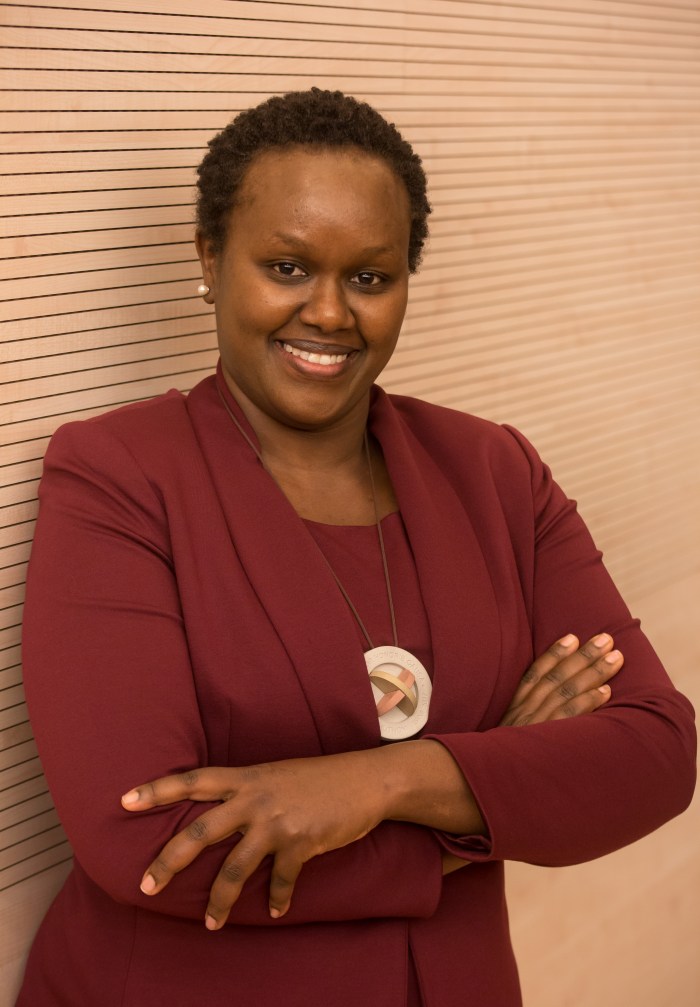
Dorcas Muthoni: Mentoring in Africa (POSTER) (POSTER)
Dorcas is in the top 100 Lionesses, a list of the top African Women Entrepreneurs. Not only does she run a highly successful tech firm she is a fierce advocate for women in tech she set up AfChix which is a chapter of LinuxChix. What are all these Chix? Find out more.
Dorothy Vaughan (ARTICLE)
Evelyn Boyd Granville: Space Software (POSTER) (POSTER)
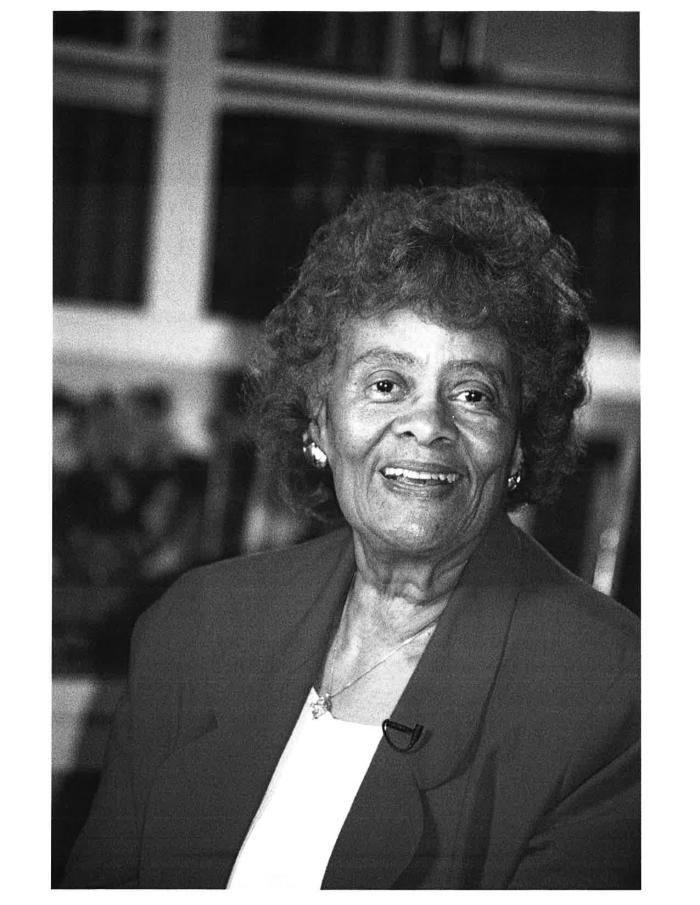
Early space travel required software with some very complicated mathematics. Evelyn Boyd Granville was the right mathematician for the job. She became a computer programmer working on space mission projects. Celestial mechanics, trajectory and orbit computations all needed her maths skills. Find out more.
Freddie Figgers (ARTICLE)
Gladys West: Satellite positioning (POSTER) (POSTER) (POSTER) (ARTICLE)
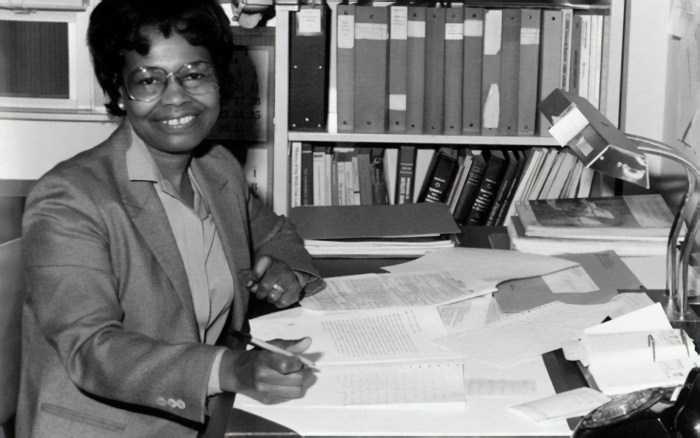
Gladys West’s work on accurate positions of satellites underpins satnav and other location-aware services we rely on. She also worked on the first sea observation satellite, vital in understanding climate change. Find out more
John Henry Thompson: Art lingo (POSTER) (POSTER)

John Henry Thompson created a novel new programming language which helps developers incorporate art when programming when they are developing games, websites and other digital products. Find out more.
Juliana Rotich: Crowdsourcing in a crisis (POSTER) (POSTER)
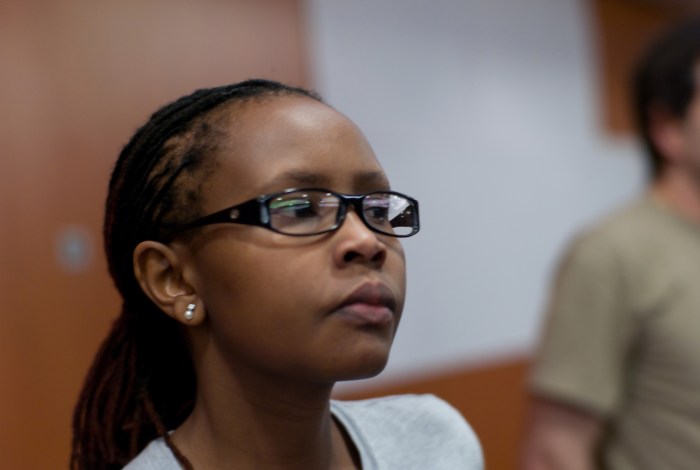
When a crisis occurs, sometimes the only people who know what is going on, are the people in the middle of the disaster. Juliana helped develop a system which gave those people the opportunity to share the picture on the ground. Find out more.
Katherine Johnson: Space calculations (POSTER) (POSTER) (ARTICLE)
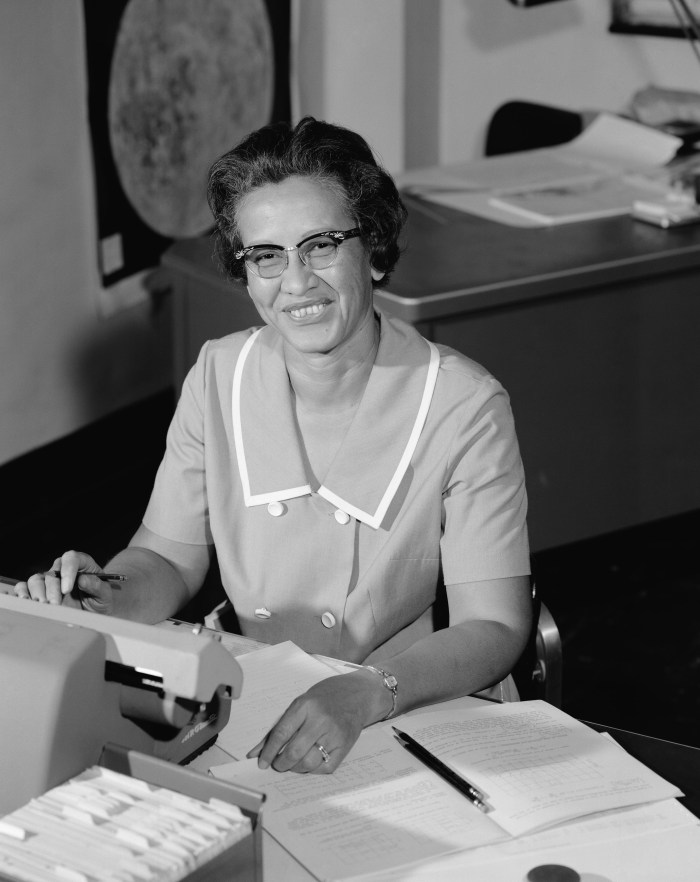
Working out how to put a man on the moon needed lots of hard maths. Katherine Johnson was one of the women whose mathematical expertise was critical to space success. Find out more
Kimberly Bryant: Black Girls Code (POSTER) (ARTICLE)
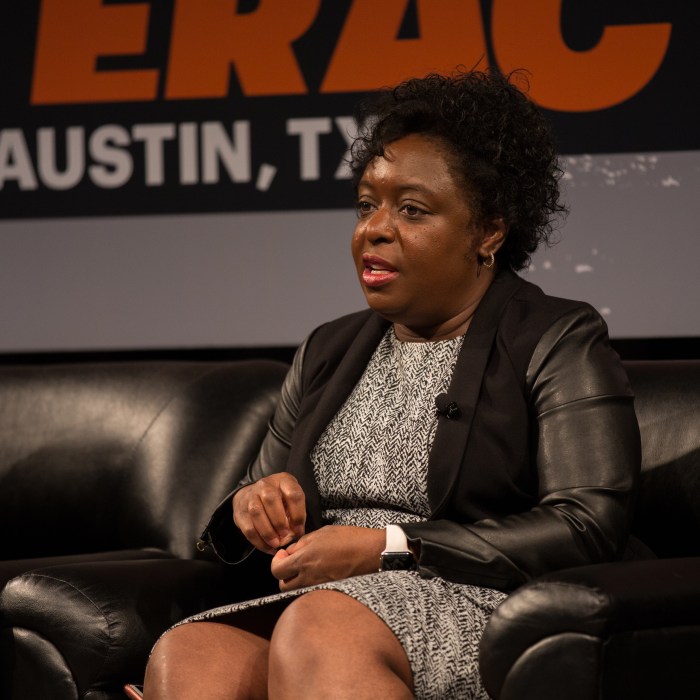
Kimberly Bryant’s personal experience of being a black female electronics engineer led her to found Black Girls Code. Focusing on gender and race as overlapping social identities the educational group teaches 6-17 year-old girls from underrepresented communities skills in computer programming and technology. Find out more.
Mark Dean (ARTICLE)
Mary Jackson (ARTICLE)
Safiya Umoja Noble: Bias in search engines (POSTER) (POSTER)
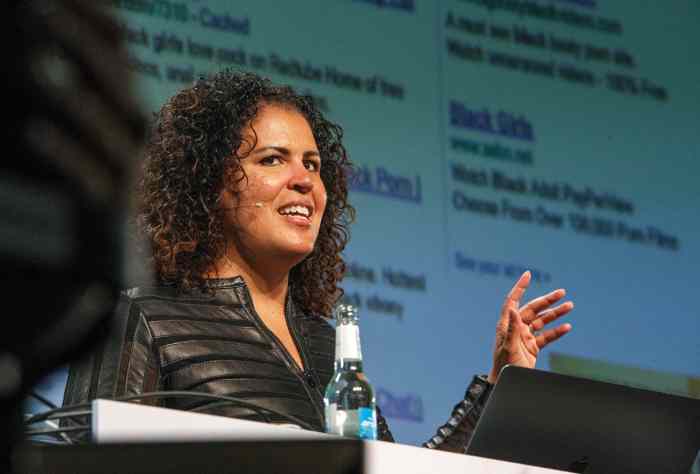
Sociologist Safiya Noble’s research on ethics in technology has drawn attention to race and gender in algorithms. Her book “Algorithms of Oppression: How Search Engines Reinforce Racism” looks at how bias against people of colour can be (even unintentionally) incorporated in search engine algorithms. Find out more.
Segun Fatumo: Bioinformatics (POSTER) (POSTER)
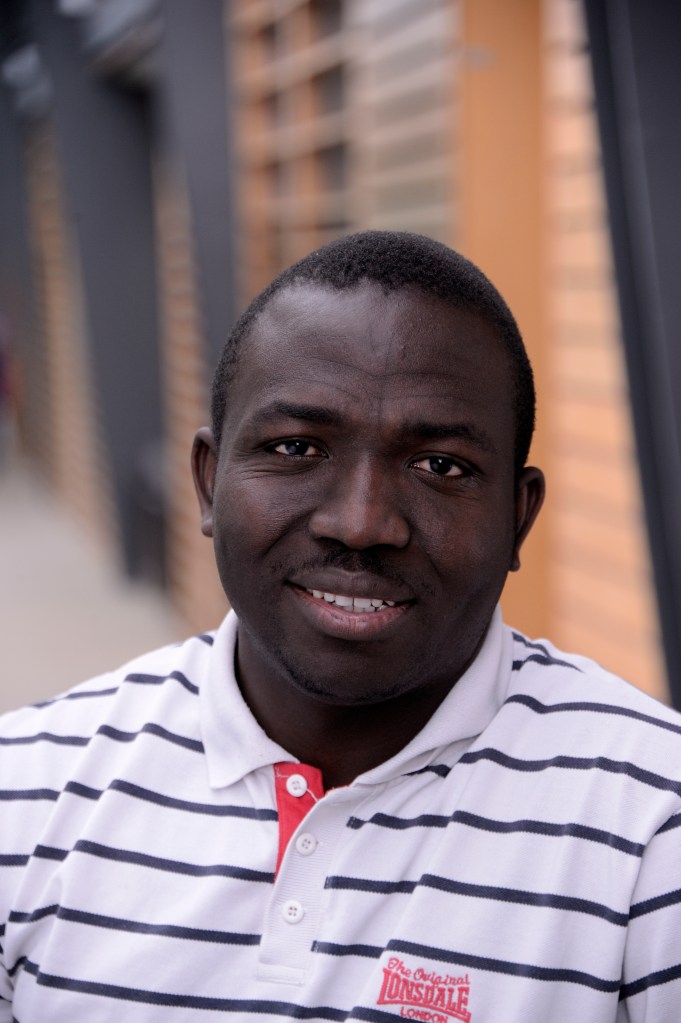
UK-based Segun Fatumo has put his computing know-how to use in genetic research and bioinformatics, studying the genetic basis of cardiovascular and infectious diseases in African populations. Segun Fatumo is Professor of Genomic Diversity at Queen Mary University of London. Find out more
Visit ‘Celebrating Diversity in Computing‘
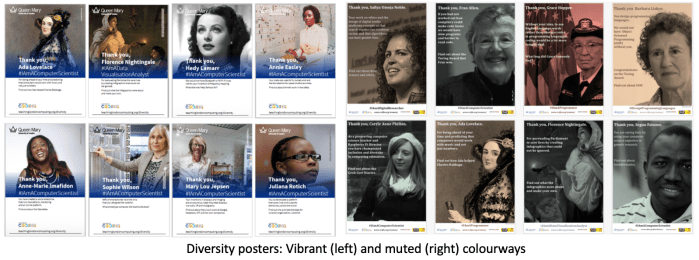
Or click here: Celebrating diversity in computing
Further reading
The NCCE (National Centre for Computing Education) and Raspberry Pi have published a 2-pager “Culturally relevant pedagogy” (PDF), part of the ‘Pedagogy Quick Reads‘ series – “Teaching computing through culturally relevant pedagogy can engage more diverse groups of students and support learning.”

This blog is supported through EPSRC grant EP/W033615/1.
 Teaching London Computing: A RESOURCE HUB from CAS LONDON & CS4FN