


CS4FN (Computer Science For Fun) is a public engagement with computing project from the School of Electronic Engineering and Computer Science at Queen Mary University of London. We publish a range of computing resources for young people and teachers (and home educators, librarians and parents). We produce free content that showcases computer science in a fun and engaging way and we have hundreds of classroom resources which can be used purely as entertainment or as a way of teaching some aspect of computing.
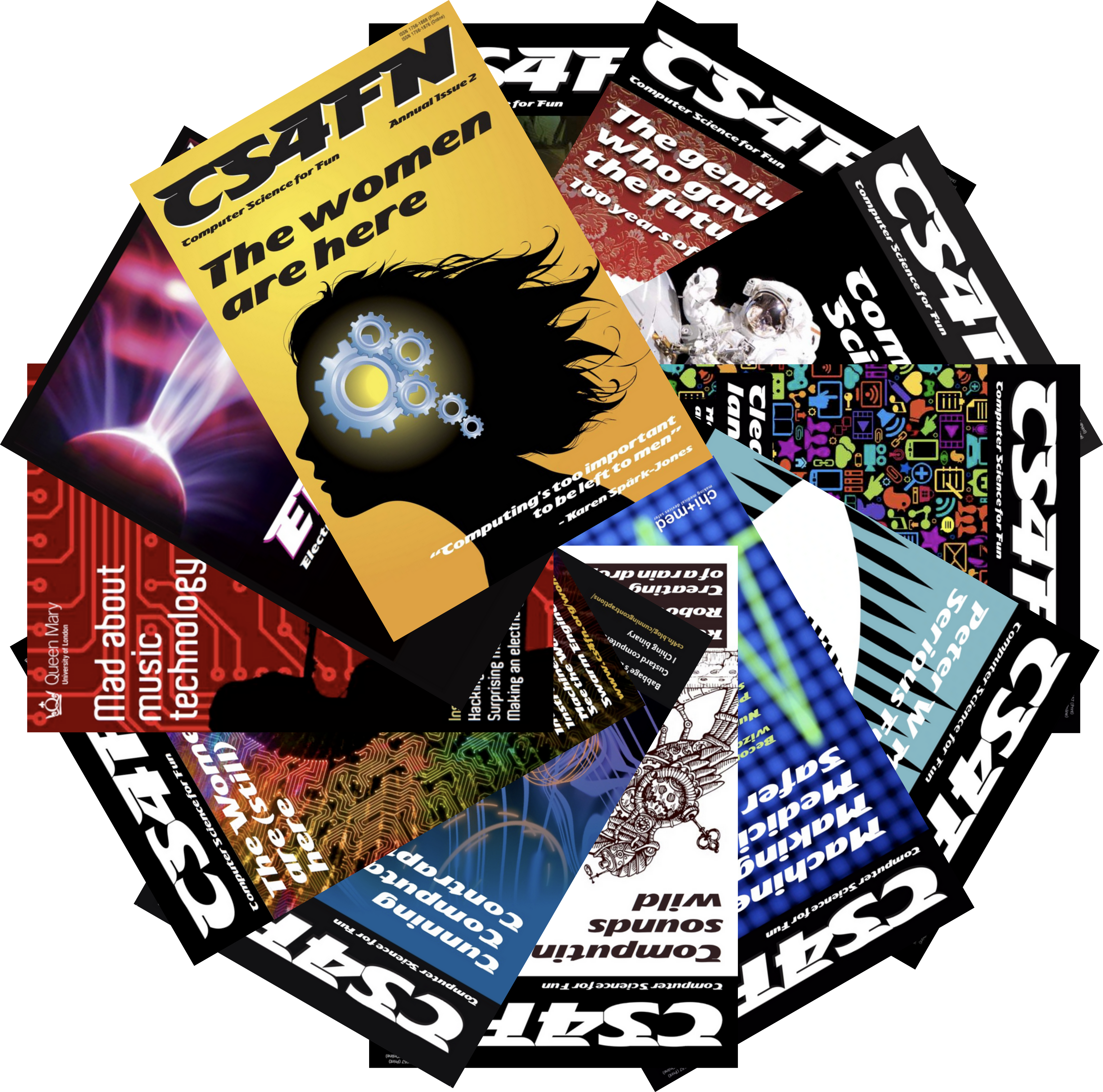
Our suite of resources includes the main CS4FN printed schools magazines and website with regular blog posts, our ‘Teaching London Computing’ website for educators packed full of resources and listings of talks, webinars and other events, our download site(s) and our careers site (‘Jobs in Computer Science’). We also run a number of face to face and online events. Here’s what we’ve been up to in 2025.
“A Bit of CS4FN” magazine for primary schools
This year we printed and distributed 18,000 copies of two issues (36k in total) of our mini primary magazine (A Bit of CS4FN issue 5) and the accompanying puzzle magazine (Primary Puzzles Issue 3) to our subscribing schools, and gave some away at events.
The year in Teaching London Computing
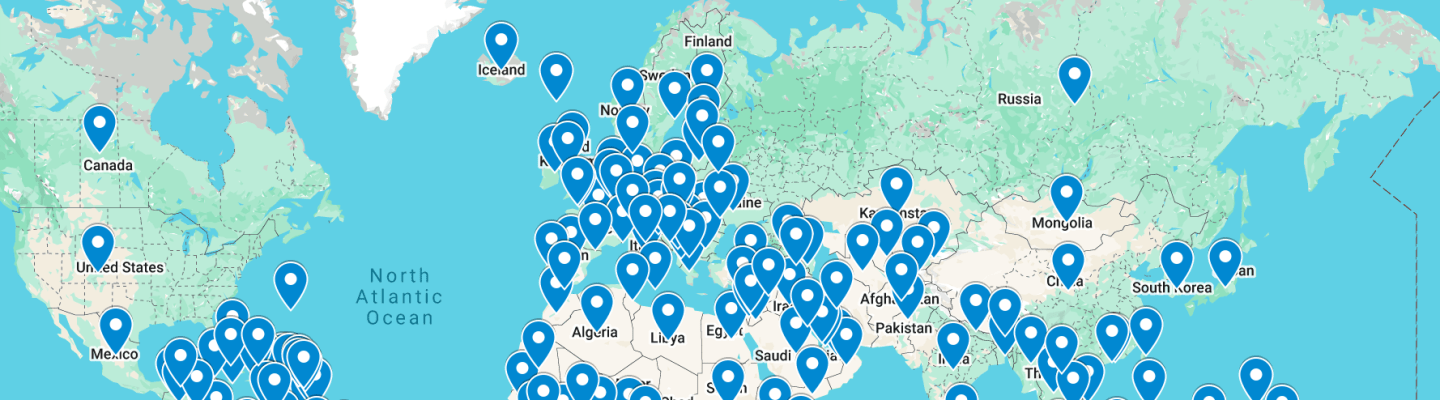
We have welcomed 78,000 visitors to this (Teaching London Computing) site, for computing teachers, home educators and librarians. They’ve visited pages on our site 150,000 times since 1 Jan 2025. Around 65,000 of our visitors found us through Google (241 through DuckDuckGo). Our computer science puzzles page is the most popular with 14,565 visits this year and our resources have been downloaded a total of 153,843 times (as of 8 Dec 2025).
The year in CS4FN
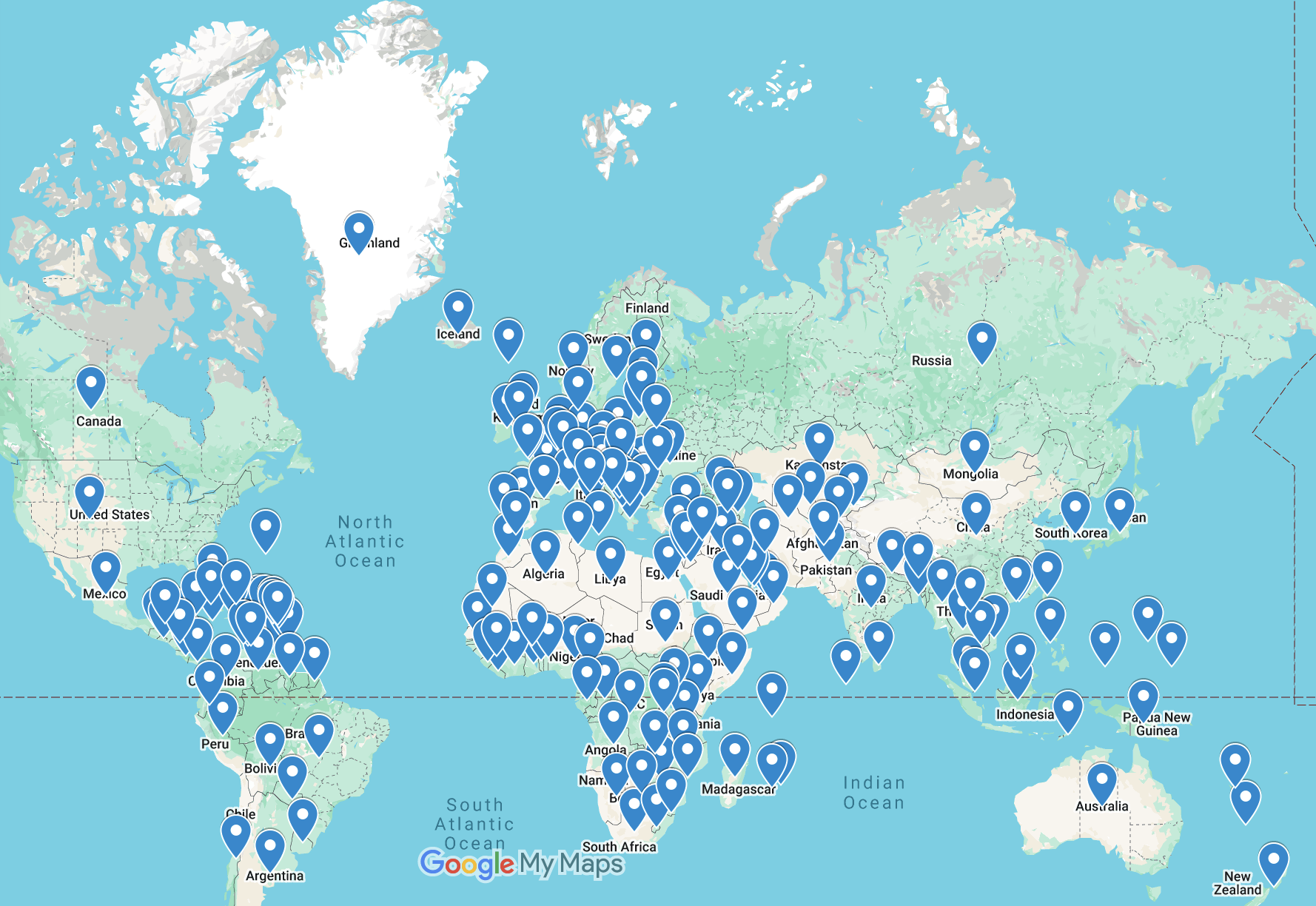
Our website for schools, the CS4FN blog, has had 17,600 visitors (an increase of 27% since last year) with 25,000 visits made overall. We receive slightly more visits now from the US with UK visitors in a close second place. We’ve published 139 blog posts this year and our most popular activity downloaded this year was our Emoji Film Quiz powerpoint presentation which was downloaded 241 times, with over 8,000 file downloads overall of all our resources on CS4FN (see below).
Our other resource-download sites
We have a dedicated website for our magazine back issues (and all our other free booklets). In 2025 the ‘CS4FN downloads’ site had 3,300 visitors viewing pages 7,000 times and downloading 16,000 copies of our back issues. (In total, with the CS4FN numbers above, that’s 22,000 downloads).
People can also download our material from our small ‘shop’ (everything is free though) on TES where we’ve added some of our activities. We’ve had 280 downloads from there in 2025.
Careers
Our TechDevJobs / ‘Jobs in Computer Science’ is much smaller and exists to collect examples of job packs so that careers advisors (and future job seekers) can get an idea of the range of possible careers available. We’ve added another 37 job packs to the site this year which has had 290 visitors (viewing pages 350 times).
Face to face or online engagement
In 2025 the CS4FN team engaged directly with 1,600 people (the majority school children) at public events in London and elsewhere. Paul Curzon gave regular ‘holiday workshops’ at the Royal Institution as well as talks at schools and Jo Brodie participated in a number of online “I’m A Computer Scientist, Get Me Out Of Here” events.
Project grants
Paul Curzon was one of the five EPSRC ICT Public Engagement Champions and you can see what the team completed over the project here (e.g. click on Outcomes across the top and then view different examples of outcomes from the menu on the left). Paul is also an investigator on a smaller, internal QMUL grant which looks at engaging young people with Artificial Intelligence through Music. Watch out for some new articles on that topic in the new year (see #2b in our recent TLC newsletter for more).
Project papers and other publications
Curzon, P., Waite, J. and Maton, K. (2024) Teaching CS with and through other forms of knowledge (PDF)
Abstract: “Computer Science (CS) is often taught in K-5 education with and through other forms of knowledge, such as CS with Maths, Science, or Art. How two bodies of knowledge and skills are interleaved in a single learning event can be complex to analyse. The sociological framework Legitimation Code Theory (LCT) includes a set of concepts called ‘Autonomy’ for exploring how different knowledge practices are brought together and with what effects. To explore the value of Autonomy in CS education, we analysed a lesson plan of an activity that teaches CS (algorithms) through magic, visualising the findings on an autonomy plane. This revealed ways to improve learning such as by creating autonomy tours. Autonomy analysis has use in reflective CS K-5 lesson design as CS is often taught with other subjects to overcome timetabling constraints, build on other subjects, or to raise interest in equitable learning experiences.”
Conjuring with Computation: A manual of magic and computing for beginners by Paul Curzon and Peter W. McOwan (2024) – the book also became available in paperback. Read our blog post for more information.
“The team behind Computer Science for Fun (CS4FN), brings you Conjuring with Computation: A Manual of Magic and Computing for Beginners. Develop your skills as a magician while also learning the basics of computer science by exploring its links to magic. Each chapter explains how to do a simple magic trick, step-by-step, then uses the trick to introduce linked fundamental ideas in computer science in a fun way.
By reading the book you will learn to do self-working tricks, be able to hold magic shows, create your own versions of tricks, and with creativity even invent your own.”
CS4FN’s birthday celebration
In May we celebrated CS4FN’s 20th anniversary with a talk by Paul Curzon, some magic tricks and cake. You can also read some more about the impact the project has had.
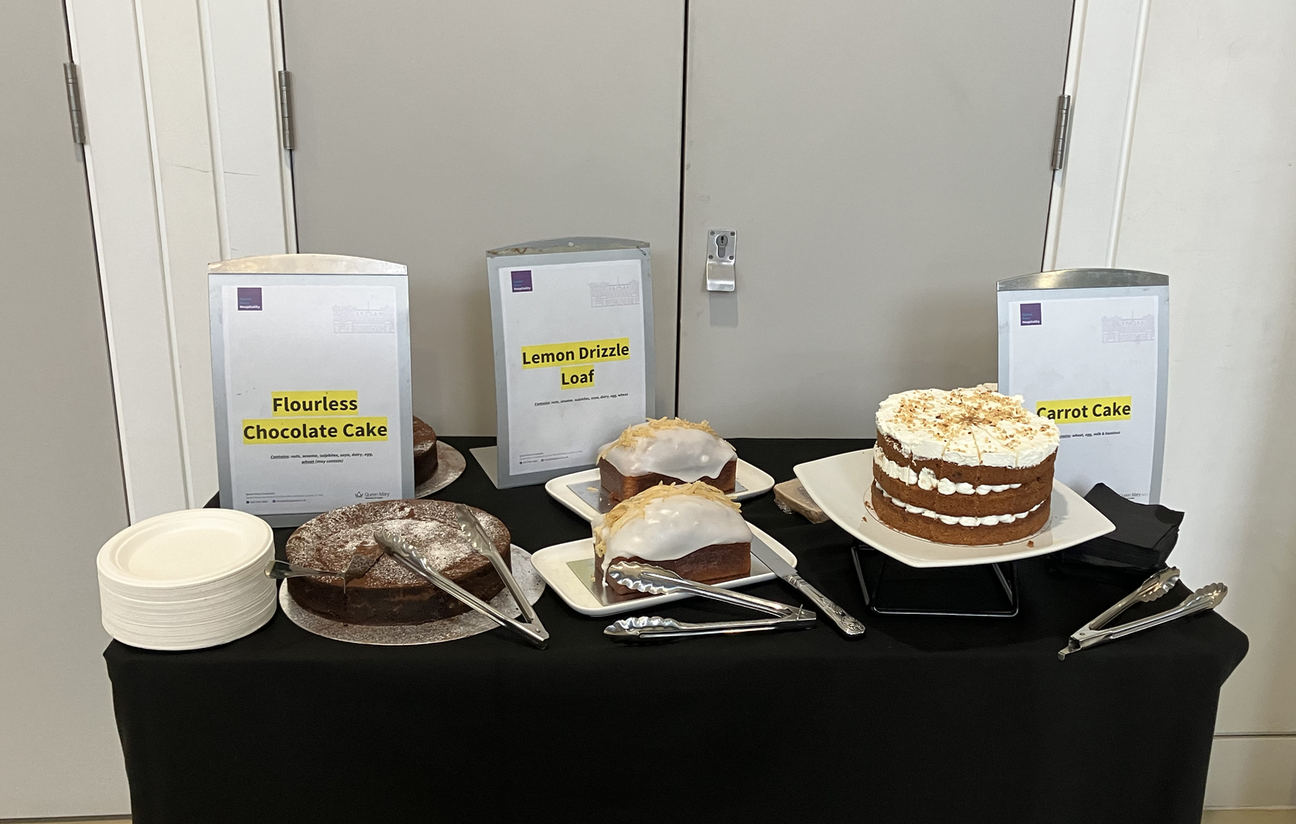
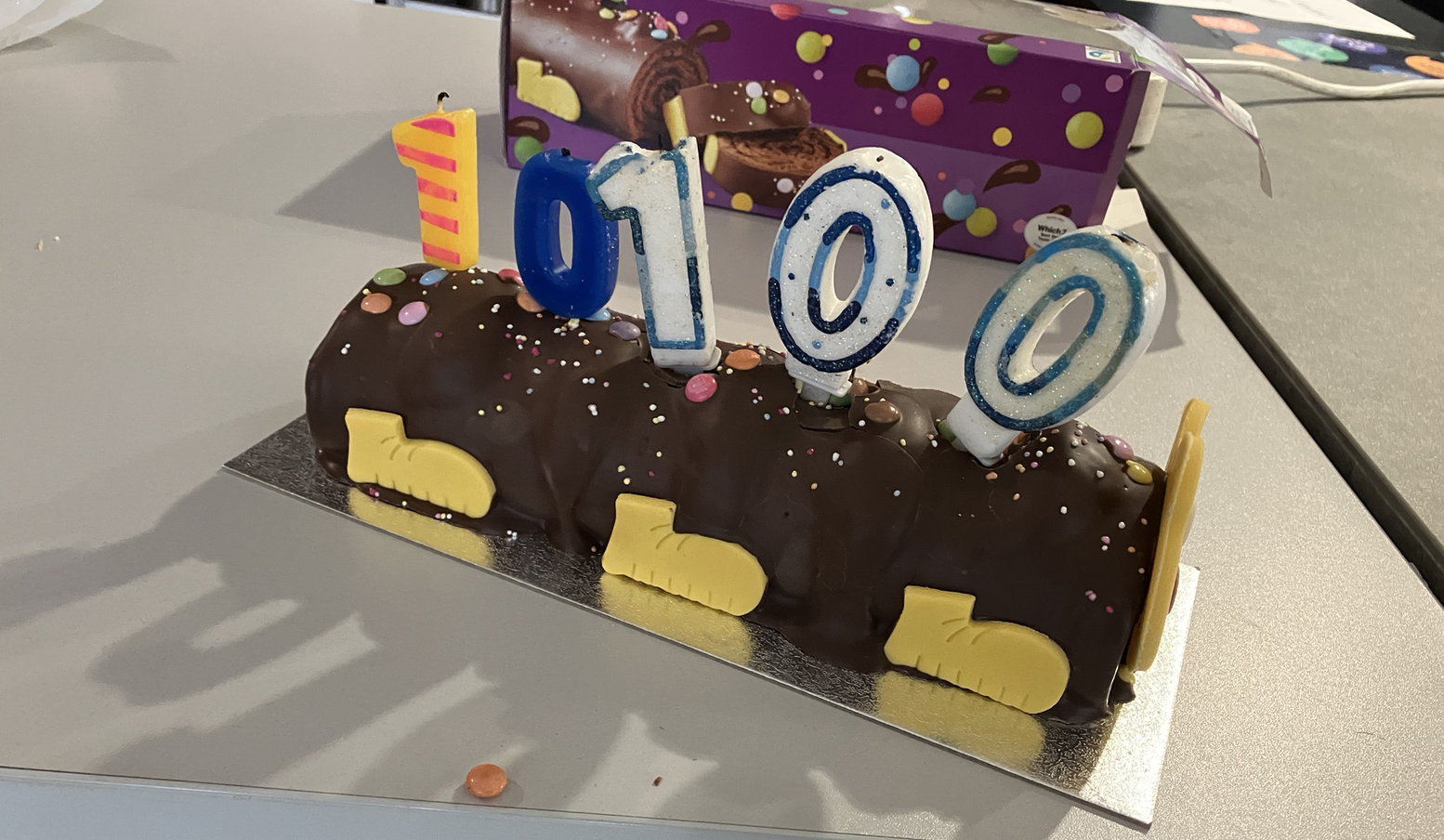
Photos taken by Jo Brodie.
Subscribe to be notified whenever we publish a new post to the Teaching London Computing blog.

This blog is supported through EPSRC grant EP/W033615/1.
 Teaching London Computing: A RESOURCE HUB from CAS LONDON & CS4FN